Thursday, July 18, 2024

Normandy 7

Le Mans

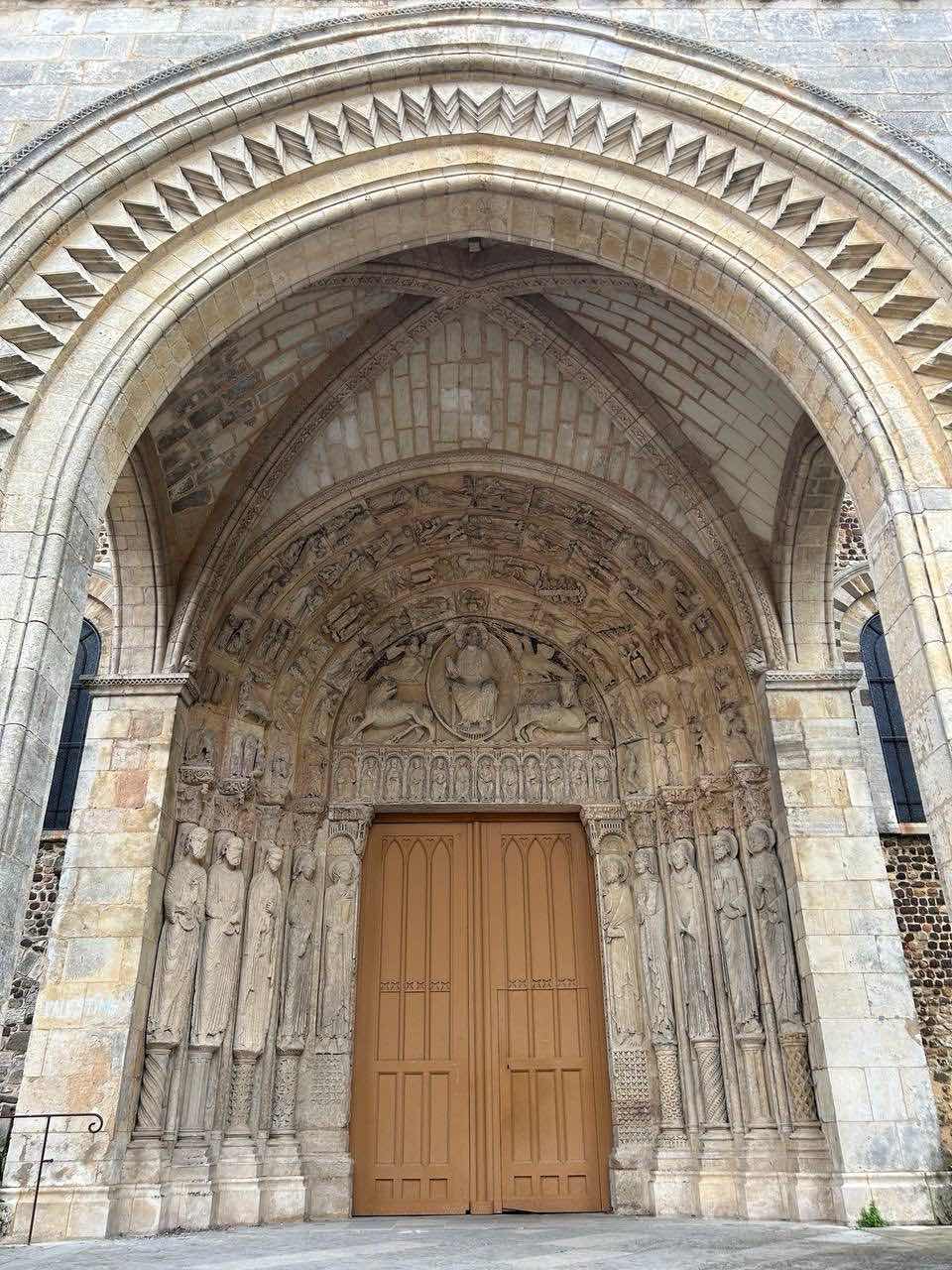
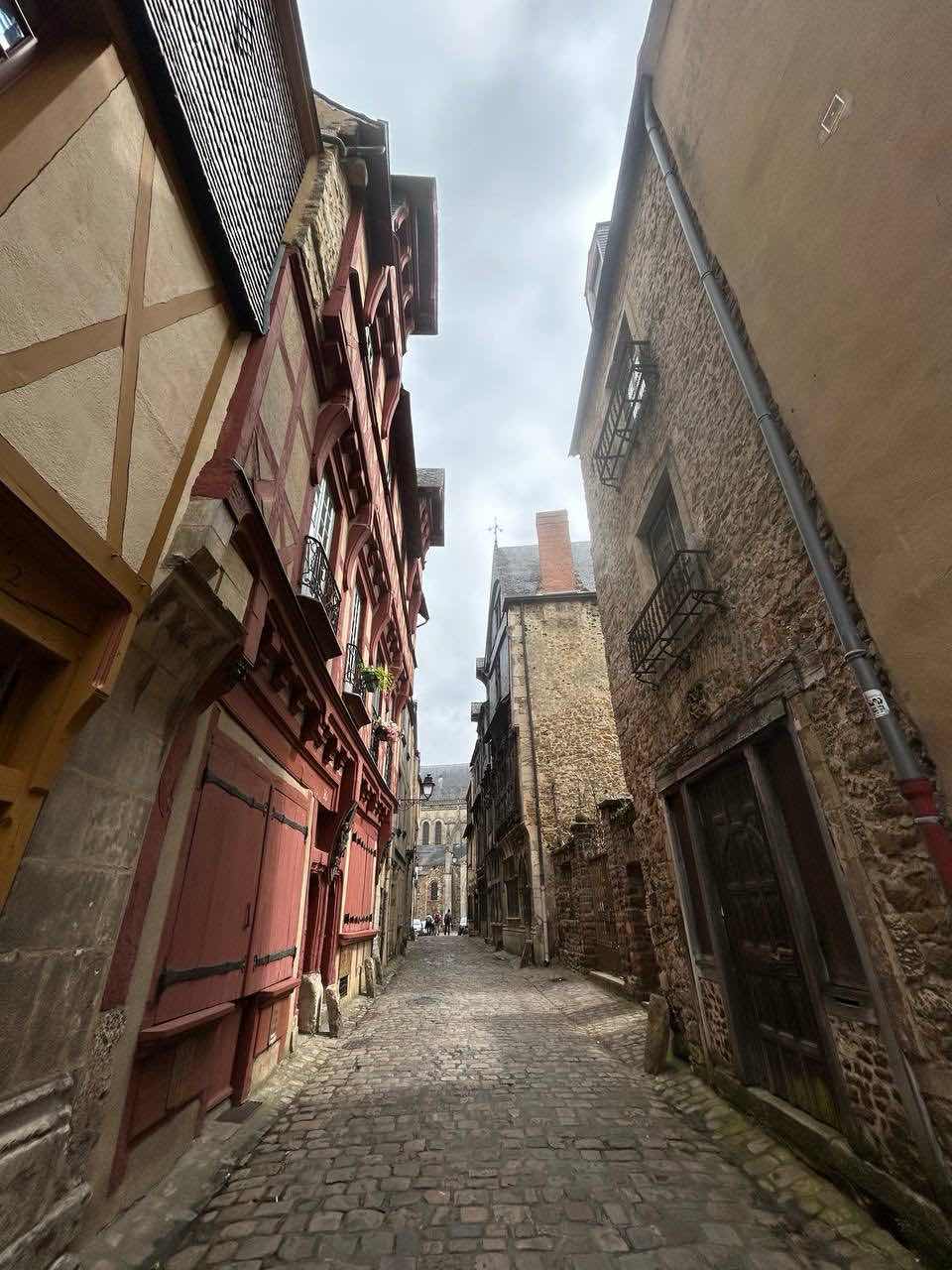
Another impressive church, St. Julian, will finish our tag-along to France.


Note the symbols of the four evangelists in the arch above the door. There is a huge amount of theology in this portal.


Terribly tragic


George


Have we planned our tombs yet? Subsequent generations should have a place to go, to their family roots, where their people are buried in dignity, to give thanks for the long line of faith and industriousness that preceded them. 


“Just” a side chapel


What a gorgeous casing.


Pull out your Latin…. “Gave their lives for the fatherland…..”


A little bit of repair work going on.


Wonderful engineering 


A reading corner, I’m sure


Carefully tended


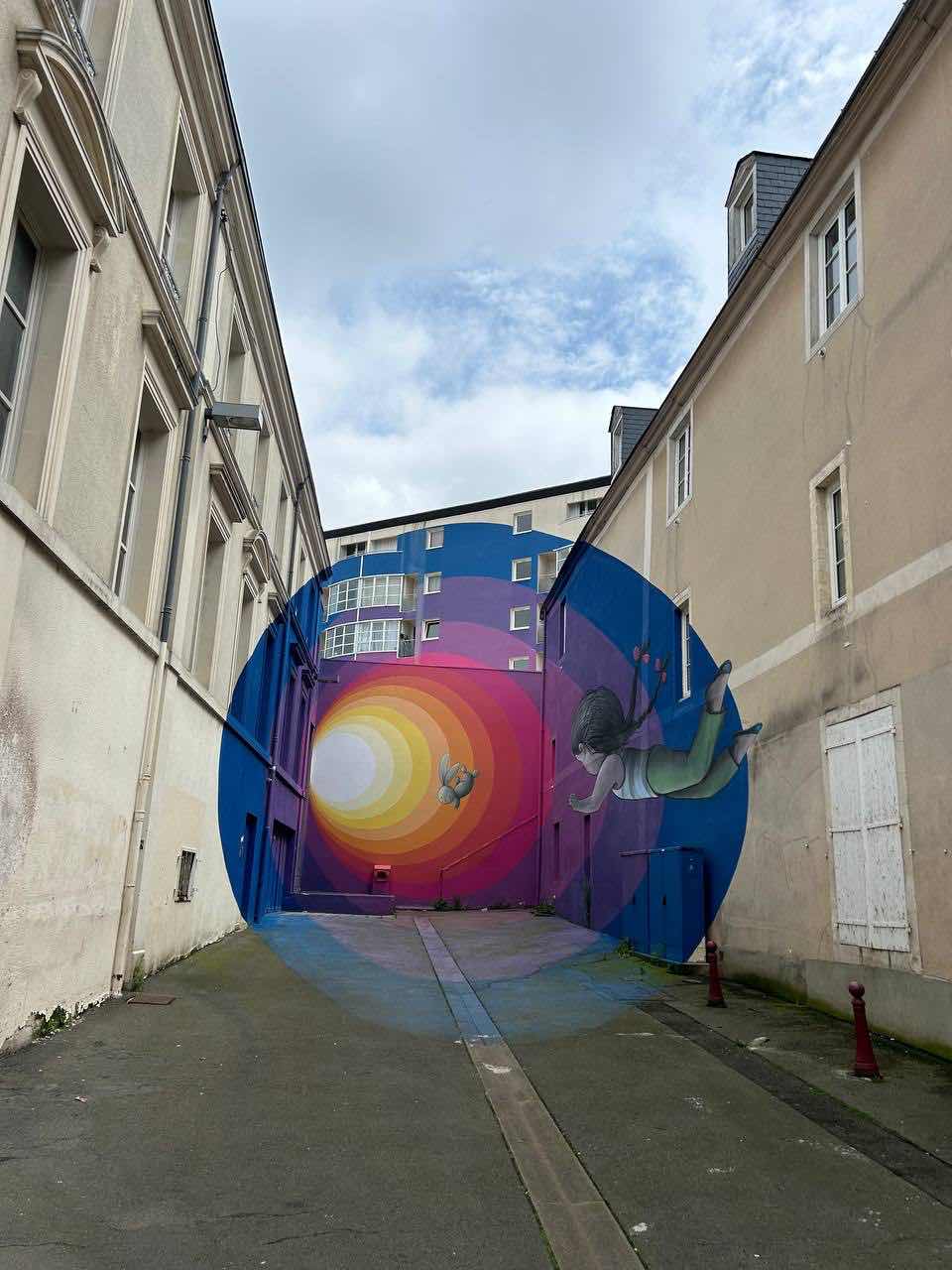
And through a magic portal to another adventure. 
(Think of the planning this took!)

Goodbye, France. 
Another trip account coming up. 


Normandy to Brittany 6

Across the Bay

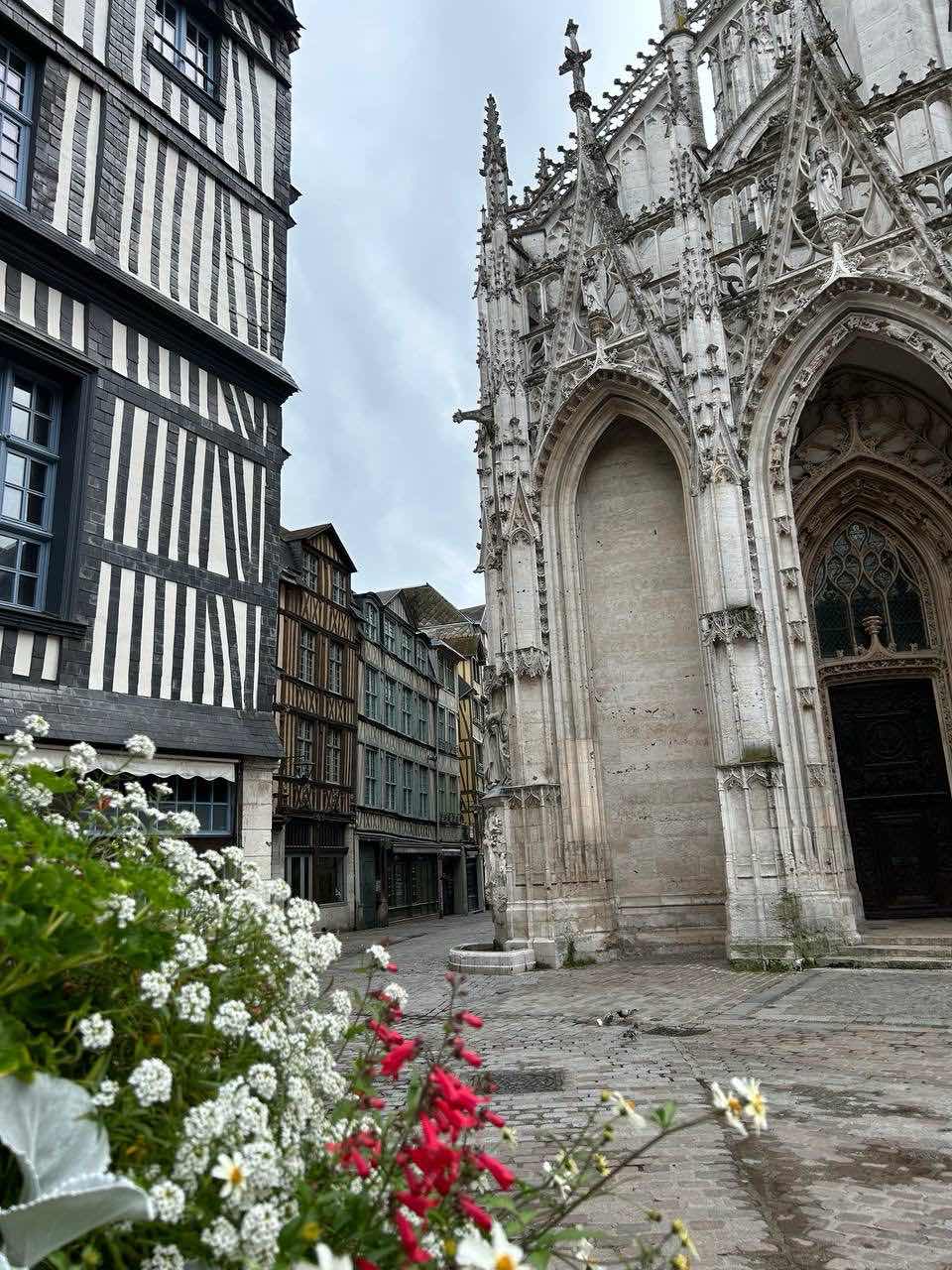
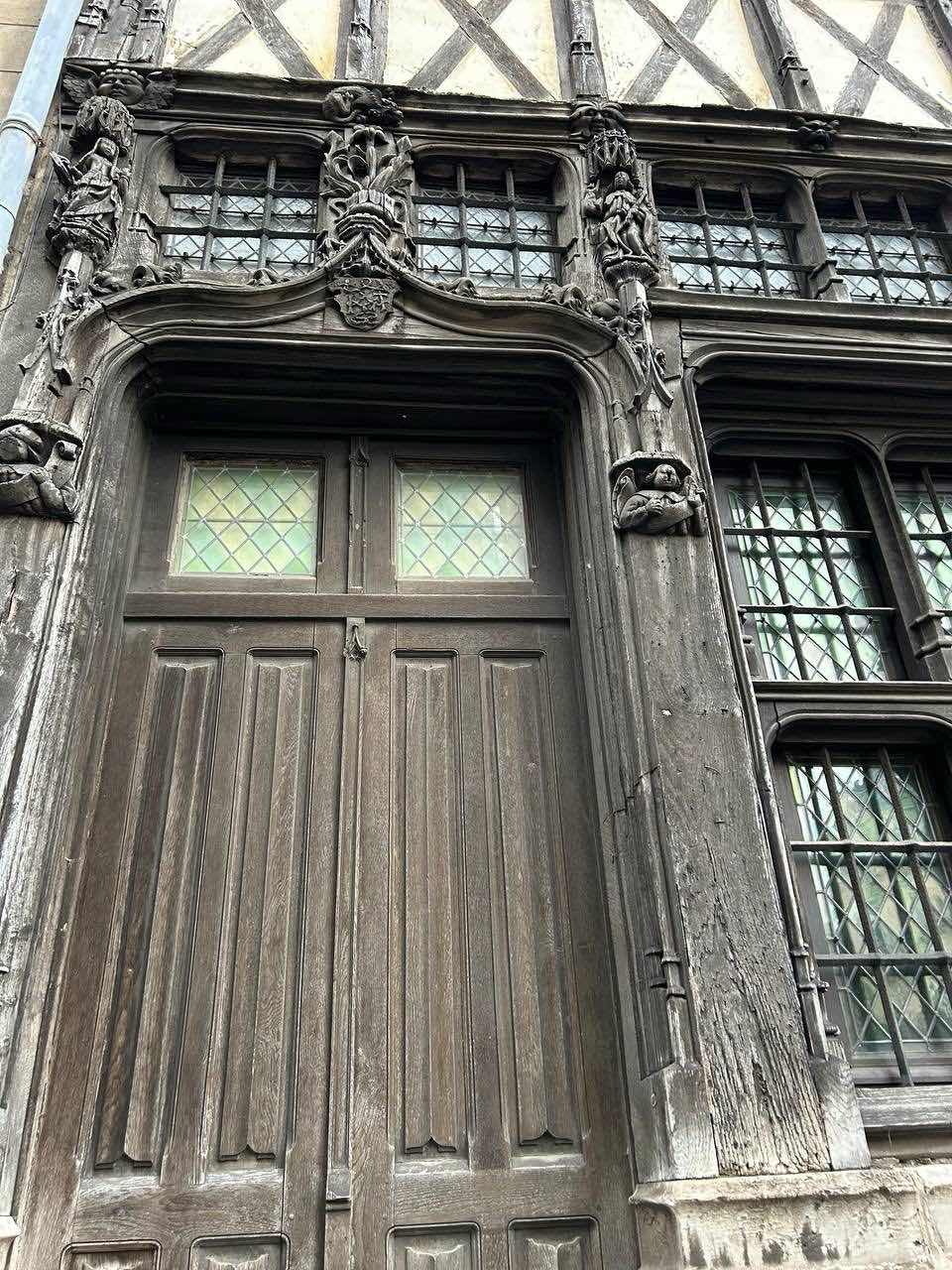
The tour moved on to an area of France where the people still, to this day, do not consider themselves French. A review of the Hundred Years War and subsequent events tell why. The area has pretty towns of old beam work and fine stone churches. The pictures below, though, are still in Normandy. 


Phenomenal!


Superb brickwork


No part is insignificant.


No room for a garden? Grow things up a wall. 


We always note the manhole covers. 


Drains can be interesting, too. 


And random corners of buildings. When you next build something, don’t forget artistic corners.


Especially on important streets.


And they find the old worth preserving.


Tuesday, July 9, 2024

Normandy 5

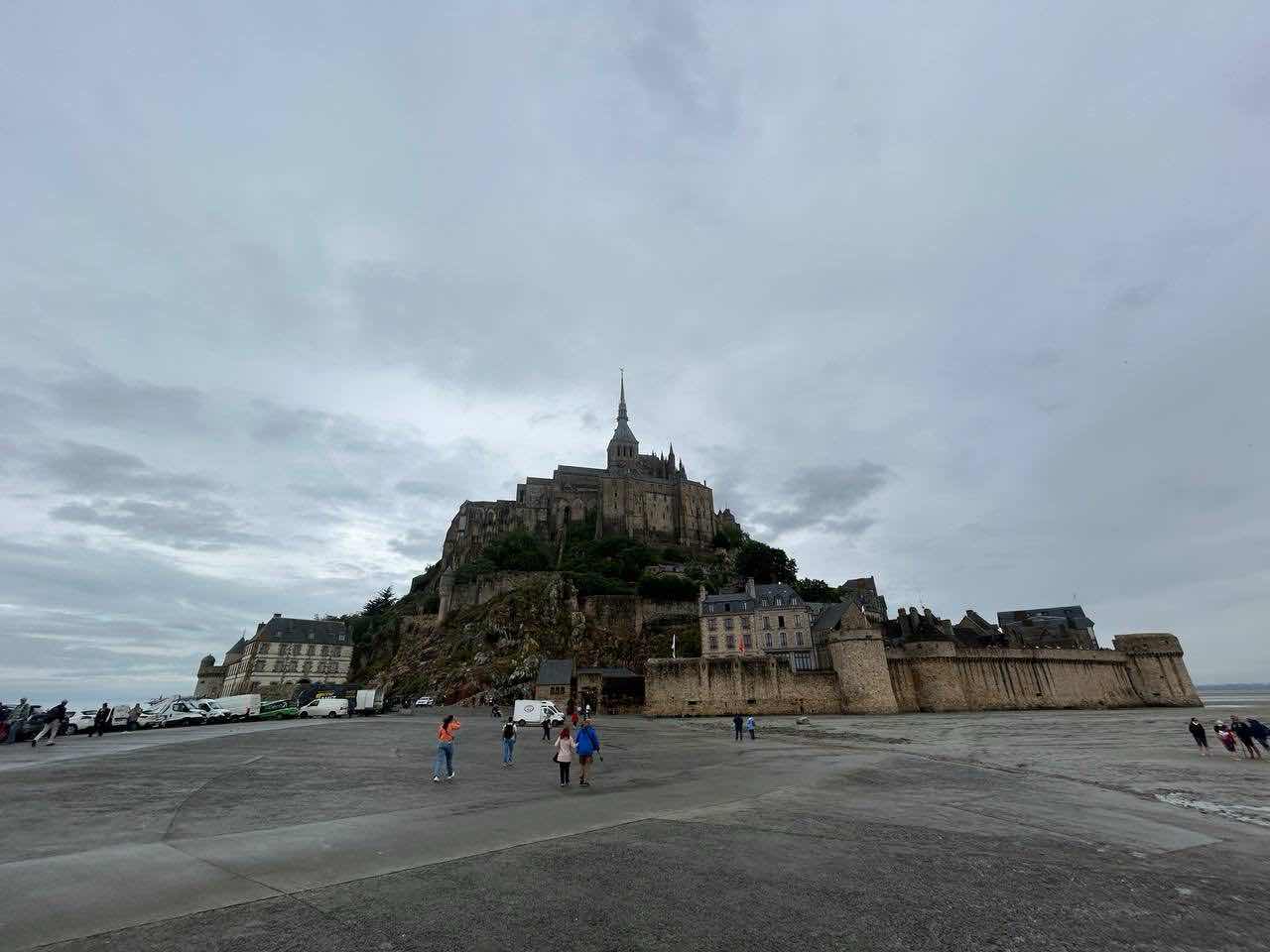
Le-Mont-Saint-Michel

The next stop for our travelers was the semi-island fortress church of Saint Michel. At low tide there is land between the rocky hill and the coastal lands some distance away. At high tide, the hill becomes an island. It used to be on dry land in ancient times, but waters change things and now it is a tidal island. Nearby are salt grass marshes on which sheep graze. Pre-salted mutton is said to be quite excellent. 


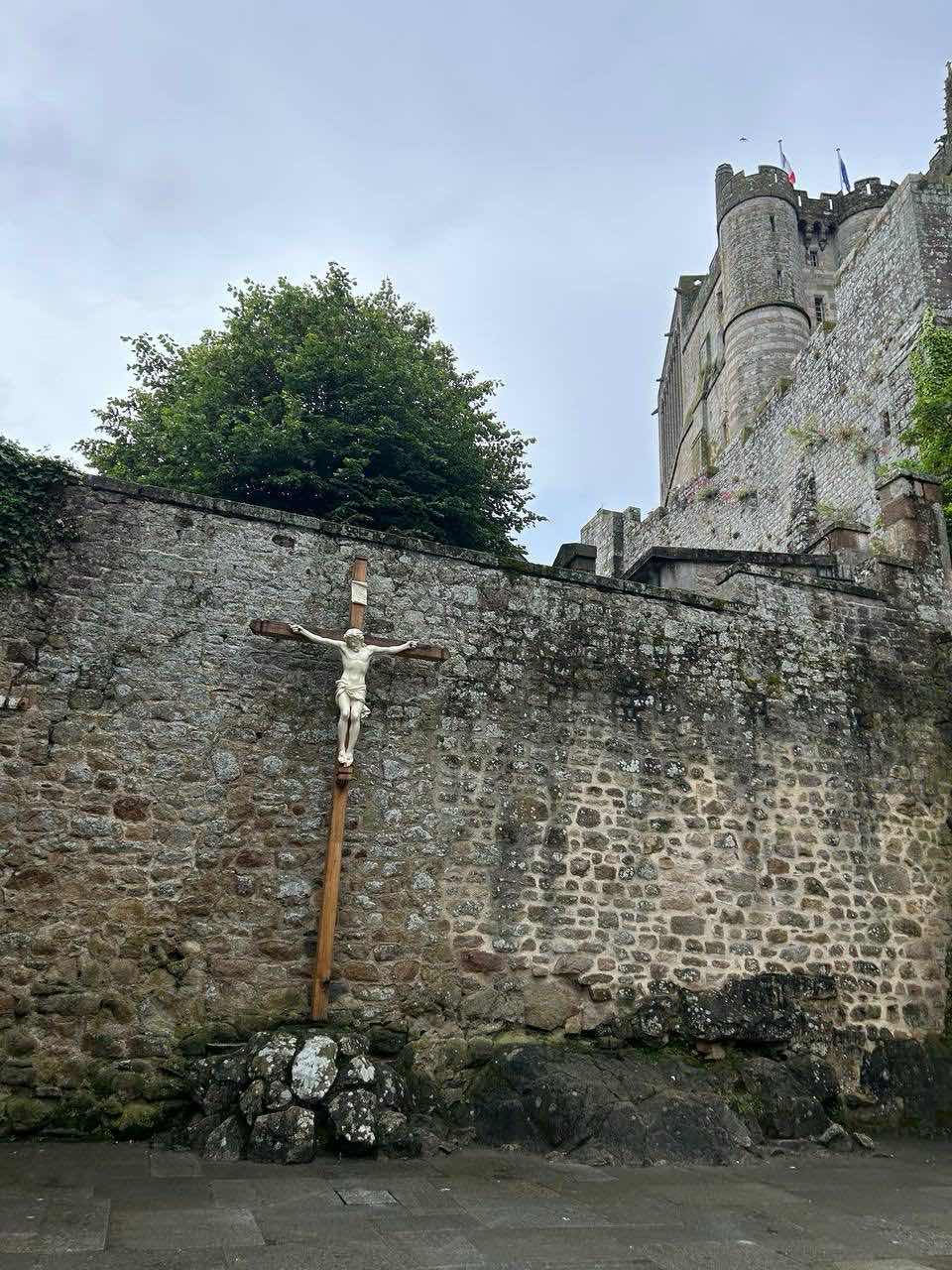
   The rock pile has been a fortress as long as people can tell. In the 800’s the Abbey was started. It was built over 400 years! And you think it took a long time to build your house. No comparison. Back in ye old Roman times it was a Gallo-Roman fortress. The Franks took it from them. And just for your information, it was part of the lands in the Asterix stories. That’s important. Eventually a bishop got a message from an angel, Michel himself, to build a church there, but the fellow was either hard of hearing or of understanding until the angel tapped a hole in his head. Then the first church there got built, and over time became the seat of a bishop. There were wranglings with the  Vikings, who took the area (remember: Northmen-Normandy? Yes, those) and later with the English in the Hundred Years Wars (1300’s +), who never did, though they tried hard. The French love to tell that to this day, so this Mont is a patriotic place for the French. Not many places they have been undefeated by the Brits.
    At the top of the pyramidal rock pile is God. Of course. Meaning, everything points upward. Physically on the top of the rocks is the big abbey. Around the middle of the pile are the great halls, once for nobles. Toward the bottom are the shops and better houses. At the very bottom, at the water’s edge are the fisher and farm folks’ houses. It is all laid out in good feudal fashion, top to bottom in the hierarchy.
  While there is an actual town and functioning abbey, the resident population is only a couple of dozen. All the people who work there commute from the inland. But the hordes of pilgrims, tourists, and visiting dignitaries more than make up for the small permanent population. 


One has to climb hundreds of steps to get up to the abbey. It’s a good way to get out of crowds. No elevator, cable car, or donkey ride. There is a huge winch at the top that was put there at the time of the French Revolution, to bring supplies to the top. From the nasty Revolution for about sixty years, the Abbey was used as a prison, and not a nice one. 


The fairly recent causeway on the left.


All of those stones for building were quarried and transported from across the bay, and carried up for these houses and buildings. 


Exception to the rule (a person!, by request, but don’t ask too often).
It is possible that tourists find seagulls as fascinating as wondrous constructions. “God made seagulls, and they have character.”


This is now for a handful of people to rattle around in. 


Notice every carving is different. 


They TOLD you God was up there.


And Michel himself, slaying the Wicked One. (Often Michael is depicted defeating a demon-man, but sometimes the figurative serpent/dragon is used. To differentiate Michel from St. George, George doesn’t have wings - he was a man, not an angel - and usually he is riding a horse, most often poorly drawn, so when I sketch it, I improve it.) On the tippy top of the tallest spire is a shiny gold Michel in victory. They keep him polished. A French victory is worth it. 


Next up, moving across the bay to Brittany. There is an ongoing dispute whether the Mont really belongs to Normandy (“Of course it does,” say the Normans. “It says so in Wiki.”) or to the Bretons (“Is ours and only a Norman would say otherwise,” say the Bretons. “And even the UN said so in an internet article.”) (“But only accidentally, because they have uneducated nincompoops working for them,” say the Normans.) So, take your pick. 

Saturday, July 6, 2024

Happy July

A Week in

Where does the time go? We will get back to the French coastal tour, but first: happy new month, Happy Independence Day for the Americans, and happy summer. We are enjoying summer fruits, from trees, bushes, and ground plants. It is still extremely rainy, so the garden still isn’t happy with the lack of sunshine, but the many tomatoes in the greenhouse don’t mind. And the lettuce and radishes and spring crops are not getting too hot. 
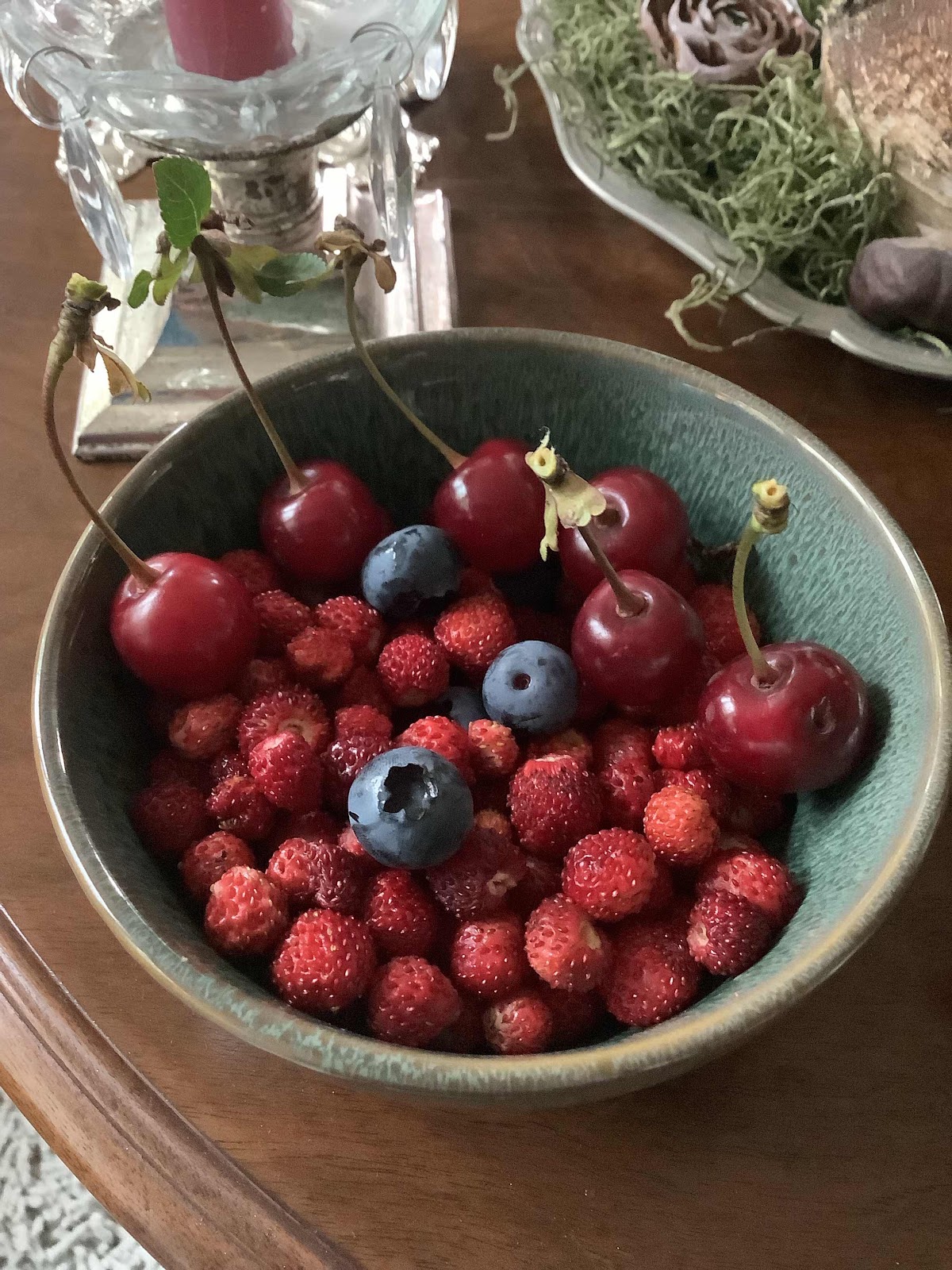


The strawberries are “wild.” Very tasty. These are the first blueberries from our new plants, planted in laboriously dug and transported mountain bog dirt last fall. 
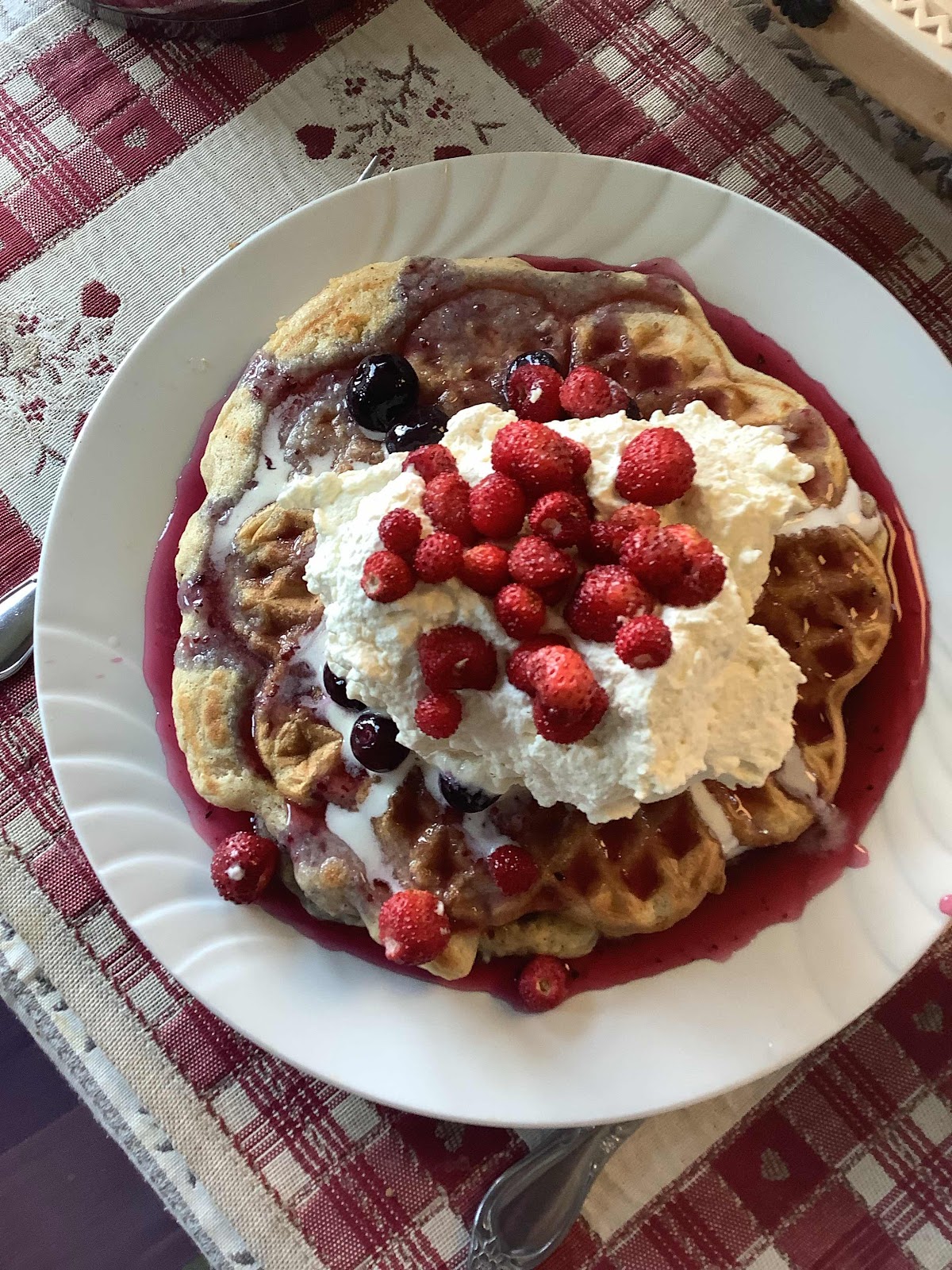

These are waffles with imported Swedish blueberry soup. A native specialty. Quite delicious. 

And from Sister Ruth presently in the other side of the world, these:


Wallaby


‘ROOS

And back in Switzerland, last weekend the Böögg was finally burnt. All of Switzerland has been wishing it would hurry up, so we would finally get some summer. The Sechseläuten festivities had gone on as normal in April, to celebrate the end of winter, and get summer on the way, with the burning of the Böögg, but a big wind came up at the end. So for the first time in history, there was no burning. It has been chilly and rainy ever since. The new plan was to take the snowman to the guest Canton, which happened to be Appenzell, and have the burning later. That was eventually set for the last weekend in June. Ha! HA! said the Böögg. The day started out beautiful for all the Appenzellerisch festivities, in a town quite close to us (though we were stuck in Warsaw - a different story), 
but then the rain started. 

It poured, giving the Böögg and wood several hours to get throughly soaked. So, when six o‘clock rang on the church bells, the fire had a struggle. The goal is to time how long it takes for the Böögg’s head to blow off ( yes, those violent Swiss, but one has to do something to end winter, you know), and the shorter the better, so summer can come soon. The normal time is about ten minutes. 

So, amid a sea of umbrellas, the fire started. 


Guess how long this took. 

Will we have a nice summer soon?

Actually, not only did the burning fire struggle, but as the fire climbed higher,

The Böögg‘s head fell off! 
Very inauspicious. 

But it finally did explode. On the ground. 


How long, you ask? 


It took 31 1/2 minutes! THIRTY-ONE!

No summer for us. 

To emphasize that, we had three downpours today. 

But yesterday had a pretty sundown, and we give thanks for that.


Next, back to the French coast.